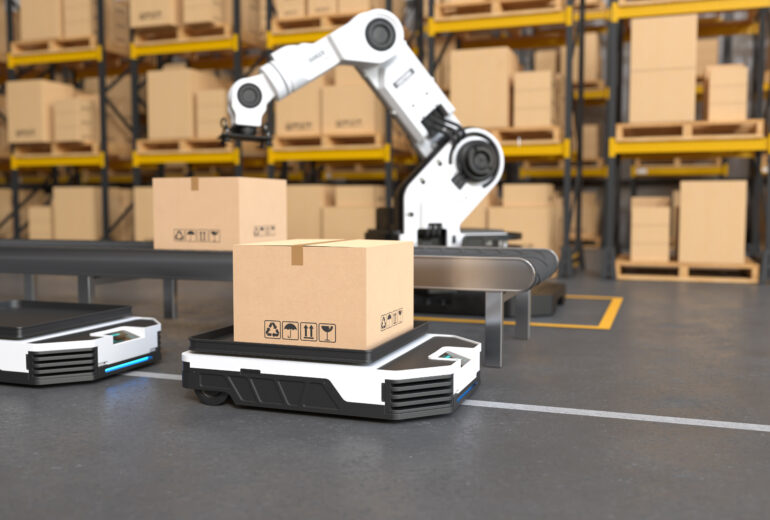
As logistics and supply chain management become increasingly digital, they also face growing cybersecurity risks. The adoption of advanced technologies like the Internet of Things (IoT), cloud computing, and AI-powered automation has revolutionized how goods are transported and delivered. However, these same technologies have exposed logistics networks to a wide range of cyber threats. Cybersecurity is no longer a luxury but a necessity for securing supply chains, ensuring business continuity, and maintaining customer trust.
This article will explore key cybersecurity solutions for protecting logistics and supply chain operations against evolving cyber threats.
The Importance of Cybersecurity in Supply Chains
Supply chains consist of a vast network of interconnected systems, processes, and third-party vendors, all of which depend on real-time data exchange to function efficiently. This creates numerous entry points for cyber attackers. The consequences of a cyber breach in the logistics sector can be devastating, leading to operational disruptions, financial losses, reputational damage, and regulatory penalties.
Several high-profile cyberattacks targeting supply chains have highlighted the vulnerability of this sector. For example, in 2017, the NotPetya malware attack disrupted the global shipping giant Maersk, costing the company over $300 million. Similar incidents have reinforced the need for comprehensive cybersecurity solutions tailored to the unique challenges of logistics and supply chain management.
Key Cybersecurity Solutions for Logistics and Supply Chain Management
Vendor and Third-Party Risk Management
Logistics and supply chain operations rely on numerous third-party providers, such as manufacturers, distributors, and technology vendors. Each of these external partners can introduce cybersecurity risks into the supply chain. To mitigate this, companies need to implement a robust vendor risk management program.
This involves conducting thorough risk assessments of all third-party vendors and ensuring they comply with cybersecurity standards. Contracts should include clear cybersecurity expectations, and regular audits or vulnerability assessments should be conducted to identify potential security gaps in third-party systems.
Advanced Encryption and Data Security
Sensitive data, such as shipping information, customer details, and financial transactions, are constantly being exchanged within supply chain networks. Cybercriminals often target this data for theft or ransom. End-to-end encryption is a critical solution to protect data both in transit and at rest, ensuring that even if data is intercepted, it cannot be read or used without proper authorization.
Implementing strong encryption protocols, along with secure communication channels, ensures the confidentiality and integrity of sensitive information. Encryption should be paired with advanced authentication mechanisms, such as multi-factor authentication (MFA), to limit access to authorized personnel only.
Real-Time Threat Detection and Monitoring
One of the most effective ways to prevent cyberattacks is by detecting potential threats early. Real-time threat detection solutions, such as Intrusion Detection Systems (IDS) and Security Information and Event Management (SIEM) platforms, allow logistics companies to monitor their networks for suspicious activity.
These systems use advanced analytics and machine learning to identify anomalies in network traffic and can alert security teams to potential breaches before they escalate. Integrating threat intelligence feeds with these tools further enhances the ability to detect and respond to emerging cyber threats targeting the supply chain.
Network Segmentation
Network segmentation is a cybersecurity strategy that involves dividing a network into smaller, isolated segments to limit the spread of a cyberattack. In logistics and supply chain management, network segmentation ensures that if one part of the network is compromised, the attacker cannot easily access other critical systems or sensitive data.
For instance, an attack on a warehouse’s IoT devices would not automatically give cybercriminals access to the company’s central IT infrastructure or customer databases. This approach reduces the overall impact of a cyber breach and makes it easier to contain and remediate threats.
Employee Training and Cybersecurity Awareness
One of the weakest links in any cybersecurity strategy is human error. Employees who lack cybersecurity awareness can unknowingly fall victim to phishing attacks or mishandle sensitive data, leading to security breaches. Training logistics staff on the latest cyber threats, safe internet practices, and data protection protocols is essential.
Regular cybersecurity training and awareness programs ensure that employees at all levels, from warehouse workers to top executives, understand the role they play in maintaining the security of supply chain operations. Phishing simulations and interactive workshops can help employees recognize suspicious emails, fraudulent websites, and other common cyberattack vectors.
Incident Response and Business Continuity Planning
Despite the best cybersecurity measures, no system is completely immune to cyberattacks. Therefore, logistics and supply chain companies must have a robust incident response plan in place to minimize the damage caused by cyber incidents.
An effective incident response plan includes steps for detecting, containing, and recovering from a cyberattack, as well as clear communication protocols for informing stakeholders, including customers, regulators, and partners. Additionally, business continuity plans ensure that operations can continue even in the event of a cyberattack, reducing downtime and financial losses.
Supply Chain Mapping and Risk Assessment
A proactive approach to cybersecurity involves understanding where the weakest links in the supply chain lie. Supply chain mapping helps companies identify critical assets, partners, and data flows across the network. This enables a thorough risk assessment, where companies can evaluate the cybersecurity posture of each element within the supply chain.
Identifying high-risk areas allows logistics providers to prioritize their cybersecurity investments and focus resources on the most vulnerable parts of the network. For example, companies may decide to allocate more funds to securing IoT devices or strengthening encryption protocols where sensitive data is stored.
By investing in the right cybersecurity solutions, logistics providers can safeguard their operations, reduce the risk of cyberattacks, and ensure the seamless flow of goods and services in a secure and reliable manner. Cybersecurity is no longer just an IT issue—it is a business imperative for maintaining competitive advantage in a highly connected global marketplace.